EASTER DAY
He is risen!
Easter begins in the quiet of early morning. Matthew tells us it was “after the Sabbath, at dawn.” The world is just waking up—but for Mary Magdalene and the other Mary, the day doesn’t begin with hope. It begins with grief.
They are going to the tomb. Not to celebrate. Not expecting resurrection. Just to mourn. To sit near what they think is the end of the story.
And that’s important—because it reminds us that the first witnesses to Easter didn’t arrive with faith fully formed. They arrived with heavy hearts. With confusion. With loss. And maybe that’s where some of us are today.
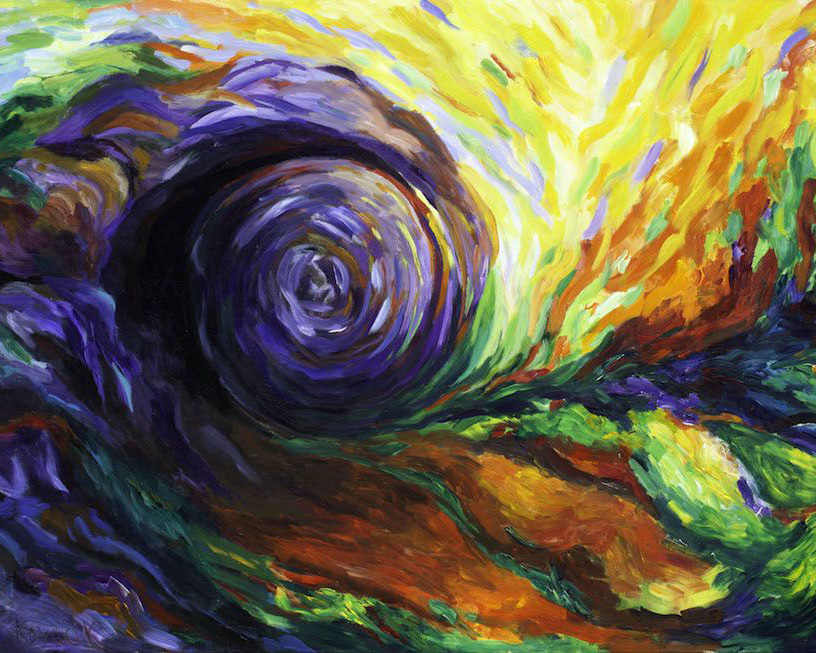
Before the women even reach the tomb, everything has already changed. There’s a violent earthquake. An angel descends. The stone is rolled away—not to let Jesus out, but to let them see in.
God is already at work before they understand it.
And isn’t that often how God moves? While we are still grieving, still doubting, still assuming the worst—God is already preparing resurrection. Already shifting the ground beneath our feet. Already opening what we thought was sealed shut.
The women came expecting a sealed tomb. They found an open one.
What “closed tomb” have you assumed is final in your life? A relationship? A future? A hope? Easter says: God is already at work there—even if you haven’t seen it yet.
The angel says something striking: “Do not be afraid.” That’s necessary—because everyone in this scene is afraid. The guards shake and become like dead men. The women are terrified.
Fear is the first human response to resurrection. And that might surprise us. We tend to think Easter should feel immediately joyful, triumphant, certain. But real encounters with God often begin with trembling.
Why? Because resurrection disrupts everything. It overturns our assumptions. It forces us to rethink what is possible.
But notice this: the angel doesn’t shame their fear—he redirects it. “Do not be afraid… He is not here; he has risen.” Fear is real—but it is not final.
The angel gives the women two instructions. “Come and see the place where he lay,” and “Go quickly and tell his disciples.” This is the rhythm of Easter faith.
First: Come and see. Faith is not blind. The women are invited to look, to witness, to examine. Christianity begins with an empty tomb that can be inspected.
Then: Go and tell. The resurrection is not meant to be kept private. It is news—good news—that must be shared.
And notice the urgency: “Go quickly.” When you encounter life where there was death, hope where there was despair—you don’t sit on that. You run.
Matthew says the women left the tomb “afraid yet filled with great joy.” That’s such an honest description of faith. Not fear replaced by joy—but fear mingled with joy.
Because resurrection doesn’t erase all our questions overnight. It doesn’t instantly solve every struggle. But it introduces something new—joy that runs deeper than fear. Joy rooted not in circumstances, but in a person: the risen Christ.
As the women run to tell the disciples, something extraordinary happens: “Suddenly Jesus met them.” They don’t find Jesus by staying at the tomb. They meet him on the way—while they are obeying, while they are moving forward, while they are carrying the message.
And what does Jesus say?
“Greetings.”
So simple. So ordinary. And yet everything has changed.
The women respond by falling at his feet and worshiping him. This is the moment it becomes real—not just an empty tomb, not just an angel’s message—but a living Saviour standing before them.
Then Jesus repeats the angel’s words: “Do not be afraid.” It’s as if he’s saying: you can trust this, you can trust me, death is not the end.
This passage reminds us of what Easter truly means. The stone is rolled away—not just from a tomb, but from every place we thought hope was buried. Fear does not get the last word. Death does not get the final say.
Jesus is alive—and he meets us right where we are. And because he lives: our past can be forgiven, our present can have purpose, and our future can be secure.
As we close, ask yourself, where am I in this story?
Am I standing at the tomb, weighed down by grief or disappointment? Am I gripped by fear about what lies ahead? Am I hesitant to believe that God could really bring life out of this situation?
Then hear the words spoken on that first Easter morning:
Do not be afraid.
He is not here—he has risen.
And maybe today, Jesus is inviting you into that same movement. Come and see, Go and tell, and meet him on the way.
Easter is not just something that happened. It is something that happens. Because the risen Jesus still meets people. Still transforms fear into joy. Still brings life out of death.
So whatever tomb you walked in with today—whatever feels final, sealed, or hopeless…
Remember this:
The stone has already been rolled away.
He is risen.
He is risen indeed.
In the name of the Father, and of the Son, and of the Holy Spirit. Amen.
Cover image artist – Jim McDermott


