YEAR A
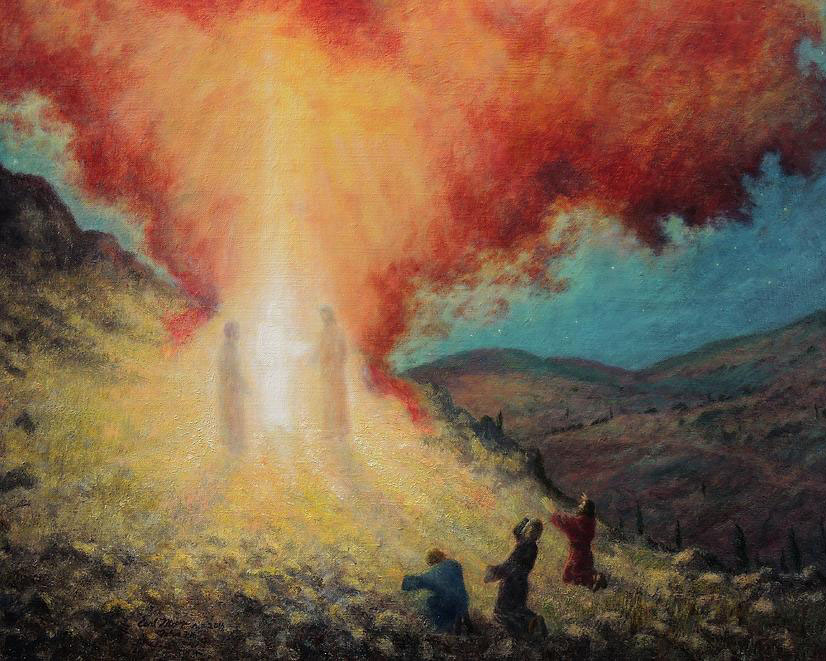
Matthew 17:1-9
This gospel passage is full of such incredible imagery. It is glorious. It is mysterious. And it is overwhelming. But it is also deeply practical for our lives today.
To me, there are three parts to this story: A glimpse of glory. A misguided, but very human, response. And a clear command.
Firstly, a glimpse of glory. Jesus had just told His disciples that He must go to Jerusalem to suffer and die. That was not what they wanted to hear. They expected a conquering Messiah, not a suffering servant.
So why the Transfiguration? Because before they see His suffering, they need to see His glory. On that mountain, the veil is pulled back. The humanity of Jesus does not disappear—but His divine glory shines through it. The One who will soon be beaten and crucified is the radiant Son of God.
Moses and Elijah appear. Moses represents the Law. Elijah represents the Prophets. Together, they stand for the entire Old Testament. Their presence is a testimony: everything in the Law and the Prophets points to Jesus. This moment tells us something essential: Jesus is not just a teacher. Not just a prophet. Not just a moral example. He is the beloved Son of God.
And sometimes, like those disciples, we need a glimpse of His glory to sustain us through seasons of confusion, suffering, or doubt. You may be walking through a hard season right now. A season where obedience is costly. Where prayers feel unanswered. Where the road ahead looks uncertain. The Transfiguration reminds us: the suffering Christ is also the glorious Christ. The cross is not the end of the story. Glory is coming.
Then, there is a misguided response. This part of this passage always makes me smile. It’s such a human response. Peter, overwhelmed by the moment, says: “Lord, it is good that we are here. If you wish, I will make three tents here…” Peter wants to freeze the moment. Capture it. Build shelters. Stay on the mountain.
Can we blame him? Who wouldn’t want to stay in a place of brilliance, clarity, and
divine encounter? But Peter makes a subtle mistake. By suggesting three tents—one
for Jesus, one for Moses, and one for Elijah—he places Jesus alongside the others.
While Peter is still speaking, God interrupts him. A cloud overshadows them, and the voice from heaven speaks. God does not say, “These are my beloved servants.”
He says, “This is my beloved Son.” Jesus is not equal to Moses and Elijah. He surpasses them. They point to Him.
We sometimes make Peter’s mistake. We place Jesus alongside other influences in our lives—career, politics, culture, personal preference, even religious traditions. We admire Jesus. We respect Him. But we try to fit Him into our structures. And sometimes, gently but firmly, God interrupts us.
Jesus is not one voice among many. He is the Son.
Lastly, there is a clear command: “Listen to Him.” The heart of this passage is not the shining face. Not the bright cloud. Not even Moses and Elijah. It is the command from heaven: “Listen to Him.” Not just admire Him. Not just sing about Him. Not just build something in His honour. Listen to Him.
This command comes in a specific context. Just six days earlier, Jesus had said that He would suffer, He would be killed, and that anyone who wants to follow Him must deny
themselves and take up their cross.
Now God says: Listen to Him.
Listen when He speaks about suffering. Listen when He calls you to obedience. Listen when He challenges your expectations. Because often, we want a glorious Messiah—but not a suffering one. We want shining faces—but not crosses. We want mountaintop experiences—but not the valley of discipleship.
But the Father says: Listen to Him.
After the voice speaks, the disciples fall face down in fear. Jesus comes to them, touches them, and says: “Rise, and have no fear.” And when they lift up their eyes, they see Jesus only. Moses is gone. Elijah is gone. The cloud has lifted. Jesus only.
That is the goal of the Christian life—not spiritual fireworks, not dramatic experiences, but Jesus only.
And then they go down the mountain.
The Christian life is not lived on the mountain. It is lived in the ordinary, in the valleys, among people who are struggling and suffering. But the disciples go down changed. They have seen His glory. And that vision will sustain them when they later see His agony in Gethsemane. When they see Him arrested. When they see Him crucified. They will remember: We saw His glory.
So what does this mean for us?
We need regular glimpses of Christ’s glory – through Scripture, through worship, through prayer. Not to escape reality, but to strengthen us for it.
We must resist reducing Jesus to one voice among many. He is not simply an option. He is the beloved Son.
And finally, our primary calling is simple but profound: Listen to Him. When His teaching is difficult. When obedience is costly. When the path leads through suffering.
Listen to Him.
The Transfiguration shows us who Jesus truly is. The One who will hang on a cross is the radiant Son of God. The One who calls us to deny ourselves is the beloved Son. The One who walks with us into suffering is the Lord of glory.
And today, the Father still speaks: “This is my beloved Son… listen to Him.”
May we lift our eyes, may we see Jesus only, and may we follow Him—down the mountain and into the world. In the name of the Father, and of the Son, and of the Holy Spirit, Amen.
Cover image artist – Earl Mott

 Rev Beck Newell